
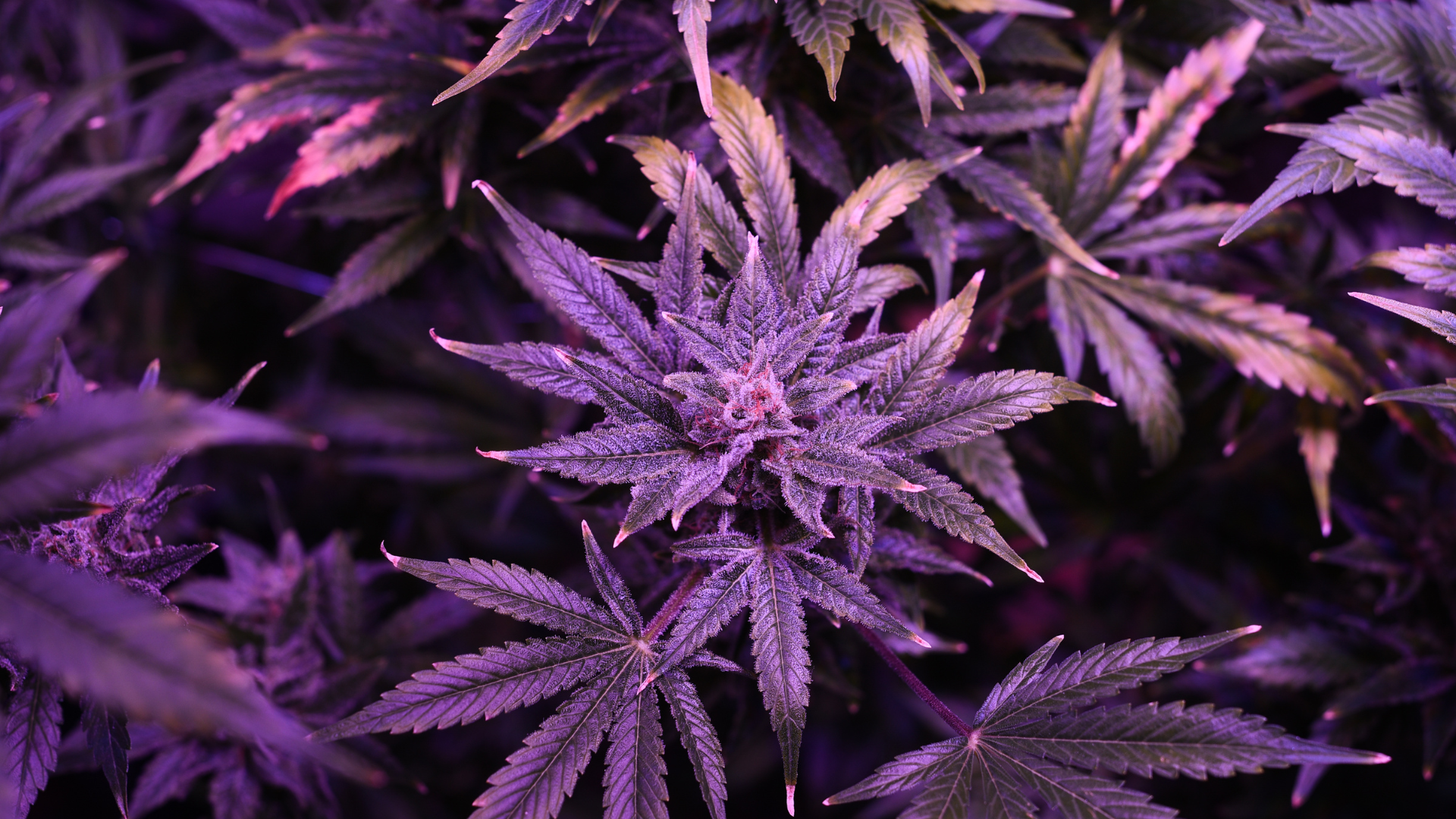
Walk into any cannabis market—online or in-person—and you’ll see labels everywhere: “Organic.” “All-Natural.” “Pesticide-Free.” “Clean Green Certified.”
But what do these terms actually mean? And more importantly, how do you know if the THCA flower you’re buying is genuinely organic, safe, and worth your money?
In this guide, we’ll cut through the marketing noise and reveal what truly separates premium, organically grown hemp flower from mass-produced, chemically treated alternatives. You’ll learn what to look for, which certifications matter, and why investing in quality organic flower protects both your health and your experience.
What Does “Organic” Actually Mean for Cannabis?
Let’s start with a hard truth: Cannabis cannot be USDA Organic certified.
Why? Because cannabis remains federally illegal as a Schedule I substance (despite hemp’s legality under the 2018 Farm Bill). The USDA cannot certify a federally illegal crop, which means no cannabis—marijuana or hemp—can legally display the USDA Organic seal.
So What Does “Organic” Mean in Cannabis?
When reputable cannabis producers use the term “organic,” they’re describing cultivation practices that align with USDA organic standards, even though they cannot obtain official certification. This includes:
- No synthetic pesticides or herbicides
- No chemical fertilizers
- No growth hormones or genetic modification
- Sustainable soil management practices
- Natural pest control methods
Premium producers follow these principles rigorously and can prove it through third-party testing and transparent farming practices.
The Problem: Anyone Can Claim “Organic”
Without USDA oversight, the cannabis industry is flooded with misleading labels. A producer can slap “organic” on their packaging without following any organic practices whatsoever.
This is why verification matters.
Why Organic Cannabis Matters for Your Health
The difference between organic and non-organic cannabis isn’t just philosophical—it’s physiological. What you inhale or ingest directly enters your bloodstream and affects your body.
The Pesticide Problem
Conventional cannabis cultivation often relies on:
- Synthetic pesticides to kill insects
- Fungicides to prevent mold
- Herbicides to control weeds
- Growth regulators to manipulate plant size
When you smoke or vape non-organic flower, you’re inhaling residues from these chemicals. Studies show that heating pesticides can create toxic byproducts even more harmful than the original compounds.
Common Cannabis Pesticides and Their Risks
Myclobutanil (Eagle 20)
- Fungicide that converts to hydrogen cyanide when heated
- Causes respiratory damage, neurological issues
- Banned in several states but still used illegally
Imidacloprid (Neonicotinoid)
- Systemic insecticide absorbed throughout the plant
- Linked to neurological damage and reproductive issues
- Persists in plant tissue even after harvest
Abamectin
- Powerful insecticide and neurotoxin
- Causes tremors, respiratory issues, and central nervous system damage
- Commonly found in non-organic cannabis
Spiromesifen
- Miticide (kills spider mites)
- Classified as a potential carcinogen
- Residues detected in many contaminated cannabis samples
These are just a few examples. Non-organic cannabis can contain dozens of chemical residues.
Heavy Metals and Contaminants
Cannabis plants are bioaccumulators—they absorb everything from the soil, including:
- Lead
- Arsenic
- Cadmium
- Mercury
If grown in contaminated soil or with synthetic fertilizers, cannabis accumulates these heavy metals, which you then consume.
Mold and Microbial Contamination
Non-organic growers often use chemical fungicides to prevent mold. Organic growers use environmental controls (humidity, airflow, cleanliness) and beneficial microbes instead.
Ironically, improperly grown “organic” flower can have mold issues if the grower lacks expertise. This is why testing and reputation matter.
What True Organic Cannabis Cultivation Looks Like
Genuine organic cannabis cultivation is labor-intensive, expensive, and requires deep expertise. Here’s what sets it apart:
1. Living Soil and Natural Nutrients
Organic Method:
- Living soil rich in beneficial microbes, fungi, and organic matter
- Composted nutrients (worm castings, bat guano, kelp meal)
- Slow-release organic fertilizers
- Soil food web that naturally feeds plants
Conventional Method:
- Synthetic nutrient solutions (salts)
- Sterile growing mediums (rockwool, coco coir)
- Chemical fertilizers for rapid growth
Why It Matters: Living soil produces complex terpene profiles and robust cannabinoid content. Synthetic nutrients create faster growth but inferior flavor and effects.
2. Natural Pest Management
Organic Method:
- Beneficial insects (ladybugs, predatory mites)
- Neem oil and natural deterrents
- Companion planting (herbs that repel pests)
- Environmental controls (airflow, humidity)
- Manual removal of pests
Conventional Method:
- Synthetic pesticides and insecticides
- Chemical fungicides
- Broad-spectrum poisons
Why It Matters: Natural pest management leaves zero toxic residues. Chemical pesticides persist in flower and release harmful compounds when heated.
3. Clean Water Sources
Organic Method:
- Filtered, clean water free from contaminants
- pH-balanced naturally
- No chlorine or fluoride
Conventional Method:
- Tap water with chlorine, fluoride, and unknown contaminants
- Chemical pH adjusters
Why It Matters: Water quality affects nutrient uptake and final flower purity.
4. No Growth Regulators or Hormones
Organic Method:
- Natural plant growth cycles
- Patience for proper development
Conventional Method:
- Plant growth regulators (PGRs) to increase bud density
- Hormones to manipulate flowering times
Why It Matters: PGRs create unnaturally dense buds with reduced trichome production and potential health risks.
5. Proper Curing and Storage
Organic Method:
- Slow, controlled drying (10-14 days)
- Extended curing in humidity-controlled environments (30-60 days)
- Minimal handling to preserve trichomes
Conventional Method:
- Rapid drying (3-7 days) to rush product to market
- Minimal or no curing
- Rough handling and packaging
Why It Matters: Proper curing develops terpenes, smooths harshness, and enhances effects. Rushed flower tastes harsh and delivers inferior experiences.
How to Identify Truly Organic THCA Flower
Since USDA certification isn’t available, you must verify organic claims through other means.
1. Lab Testing (Non-Negotiable)
Every batch of premium organic flower should include a Certificate of Analysis (COA) from an independent, ISO-certified lab testing for:
Cannabinoid Potency
- Accurate THCA, CBD, and minor cannabinoid percentages
Pesticide Screening
- Tests for 50+ common pesticides
- Results should show “ND” (none detected) across all pesticides
Heavy Metals
- Tests for lead, arsenic, cadmium, mercury
- Results should show “ND” or levels well below safety thresholds
Microbial Contamination
- Tests for mold, mildew, bacteria (E. coli, Salmonella)
- Results should show safe levels
Residual Solvents (if applicable)
- Tests for extraction solvents (for concentrates)
- Flower should show “ND”
Red Flag: If a producer cannot provide recent COAs for every batch, walk away.
2. Transparency About Growing Practices
Reputable organic producers openly share:
- Where and how flower is grown
- Pest management methods
- Nutrient sources
- Curing and processing techniques
Red Flags:
- Vague descriptions: “All natural” without specifics
- No information about cultivation methods
- Refusal to answer questions about growing practices
3. Third-Party Certifications (When Available)
While USDA Organic isn’t possible, some cannabis producers obtain alternative certifications:
Clean Green Certified
- Cannabis-specific certification modeled after USDA Organic
- Requires on-site inspections
- Verifies sustainable, organic practices
- Most reputable alternative to USDA Organic
Certified Kind
- Focuses on sustainable, regenerative farming
- Third-party verification
Sun+Earth Certified
- Outdoor, organic, and sustainable cultivation
- Emphasizes environmental stewardship
Note: These certifications are valuable but not universal. Many excellent organic growers cannot afford certification costs. Lab testing and transparency matter more than certifications.
4. Visual and Sensory Inspection
High-quality organic flower has distinct characteristics:
Appearance:
- Vibrant colors (greens, purples, oranges)
- Dense trichome coverage (frosty, sparkling)
- Intact, whole buds (not broken or crumbly)
- Natural bud structure (not unnaturally dense from PGRs)
Aroma:
- Strong, complex terpene profile
- No chemical, ammonia, or moldy smells
- Strain-specific aromas (citrus, pine, earth, etc.)
Texture:
- Slightly sticky to the touch (resinous trichomes)
- Not bone-dry or crumbly
- Not overly wet or spongy
Smoke/Vapor:
- Smooth inhale without harshness
- Clean, white ash (gray or black ash indicates poor quality or contaminants)
- Rich, flavorful taste matching aroma
Red Flags:
- Chemical or ammonia smell (pesticides or improper curing)
- Harsh, throat-irritating smoke (contaminants or poor quality)
- Black ash (residual chemicals)
- No aroma (old, degraded, or low-quality flower)
5. Brand Reputation and Reviews
Research the brand before purchasing:
- Read customer reviews on independent platforms
- Check social media for transparency and engagement
- Look for industry recognition or awards
- Verify they’ve been in business for a reasonable time (not fly-by-night operations)
Green Flags:
- Consistent positive reviews mentioning quality and transparency
- Active engagement with customers
- Educational content demonstrating expertise
- Willingness to answer questions
Red Flags:
- No reviews or only on their own website
- Generic, overly positive reviews (possibly fake)
- Defensive or hostile responses to criticism
- No customer service or contact information
The Hidden Costs of Non-Organic Cannabis
Cheap flower isn’t a bargain if it’s contaminated. Here’s what you’re risking:
Health Risks
- Respiratory irritation from pesticide residues
- Long-term exposure to carcinogens
- Heavy metal accumulation in body tissues
- Allergic reactions to mold or contaminants
Inferior Experience
- Muted or chemical flavors
- Harsh, unpleasant smoke
- Reduced terpene profiles
- Weaker or inconsistent effects
Wasted Money
Contaminated or low-quality flower delivers poor experiences, meaning you consume more to achieve desired effects. Premium organic flower is more efficient—you use less and enjoy it more.
Why Organic Flower Costs More (And Why It’s Worth It)
Organic cultivation is significantly more expensive than conventional methods:
Labor Intensity
- Manual pest removal vs. spraying pesticides
- Careful soil management vs. synthetic nutrients
- Longer curing times vs. rushed processing
Lower Yields
Organic methods often produce smaller harvests than chemically enhanced grows, increasing per-unit costs.
Quality Control
- Rigorous testing adds expense
- Rejecting contaminated batches costs money
Expertise Required
Organic growing demands deep knowledge, experience, and attention to detail.
The Result: Organic flower costs 20-40% more than conventional alternatives.
The Value: You’re paying for purity, safety, superior effects, and supporting sustainable agriculture.
Common “Organic” Marketing Tricks to Avoid
Unscrupulous producers use misleading language to appear organic without actually following organic practices. Watch for:
1. “All-Natural”
What it suggests: Organic, pure, clean
What it actually means: Nothing. All cannabis is technically “natural.” This term has no legal definition or verification.
2. “Pesticide-Free” (Without Lab Reports)
What it suggests: No pesticides used
What it actually means: Possibly true, possibly false. Without lab testing, it’s an unverified claim.
What to do: Demand COAs showing pesticide screening.
3. “Sustainably Grown”
What it suggests: Organic and environmentally friendly
What it actually means: Could mean anything from solar panels on the grow facility to absolutely nothing.
What to do: Ask for specifics about sustainability practices.
4. “Premium Quality”
What it suggests: High-grade, organic flower
What it actually means: Marketing fluff with no specific meaning.
What to do: Ignore marketing language and focus on lab reports and transparency.
5. “Sun-Grown” or “Outdoor-Grown”
What it suggests: Natural, organic cultivation
What it actually means: Grown outdoors (which doesn’t guarantee organic practices).
What to do: Verify organic methods even for outdoor flower.
Organic Certification Alternatives: What to Look For
Since USDA Organic isn’t available, here’s how premium producers demonstrate organic integrity:
Batch-Specific Lab Testing
Every batch tested independently with published results.
Detailed Growing Transparency
Clear information about soil, nutrients, pest management, and processing.
Customer Education
Brands that educate consumers about organic practices (like this article) demonstrate expertise and transparency.
Consistent Quality
Long-term customers reporting consistent, high-quality experiences batch after batch.
Third-Party Recognition
Industry awards, certifications (Clean Green, etc.), and media recognition.
How Joint Vibe Canna Co Ensures Organic Quality
At Joint Vibe Canna Co, we take organic cultivation seriously:
Our Organic Practices
- Living soil cultivation with composted organic nutrients
- Natural pest management using beneficial insects and environmental controls
- No synthetic pesticides, herbicides, or fungicides
- Clean, filtered water sources
- Hand-trimmed flower to preserve trichomes
- Slow curing process (30-60 days) for optimal terpene development
Our Verification Standards
- Third-party lab testing for every batch
- Full COAs available showing cannabinoid potency, pesticide screening, heavy metals, and microbial testing
- Transparent sourcing from trusted organic cultivators
- Quality assurance at every step from cultivation to delivery
Our Commitment
We believe you deserve to know exactly what you’re consuming. That’s why we publish full lab reports, answer questions honestly, and never cut corners on quality.
Questions to Ask Before Buying THCA Flower
Before purchasing from any producer, ask:
- “Can I see the COA for this specific batch?”
- If they can’t provide one, don’t buy.
- “What pest management methods do you use?”
- Look for answers mentioning beneficial insects, neem oil, or environmental controls—not chemical pesticides.
- “Where and how is this flower grown?”
- Vague answers are red flags.
- “How long do you cure your flower?”
- Premium flower is cured 30-60 days minimum.
- “Do you test for pesticides and heavy metals?”
- If they don’t test, they don’t know what’s in their product.
Bottom Line
“Organic” cannabis means nothing without verification. True organic THCA flower is grown without synthetic pesticides, chemical fertilizers, or harmful contaminants—and producers prove it through third-party lab testing and transparent practices.
Don’t settle for marketing hype. Demand lab reports, ask questions, and choose brands that prioritize your health and experience over profit margins.
When you choose premium organic flower, you’re investing in purity, safety, superior effects, and supporting sustainable agriculture that respects both your body and the planet.
Ready to experience truly organic THCA flower? Explore Joint Vibe Canna Co’s lab-tested, organically grown selection and taste the difference quality makes.